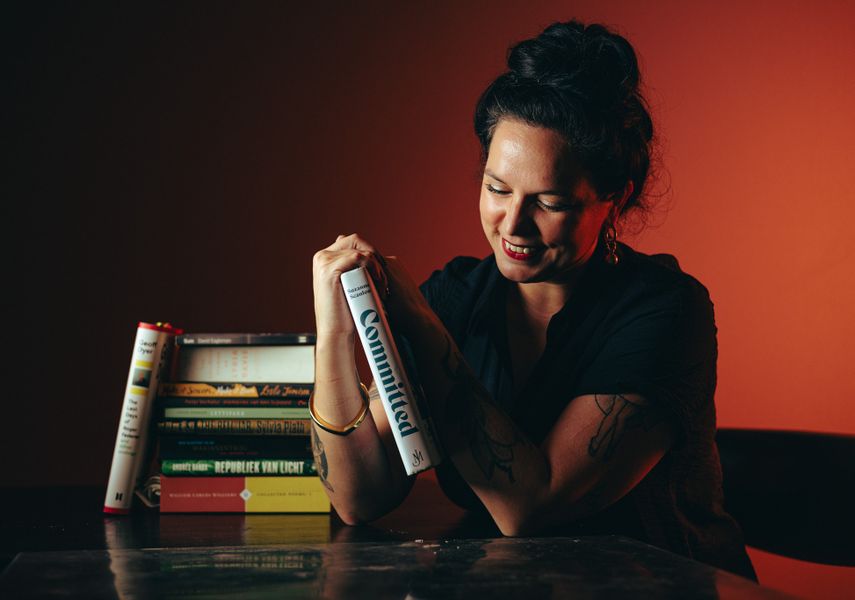
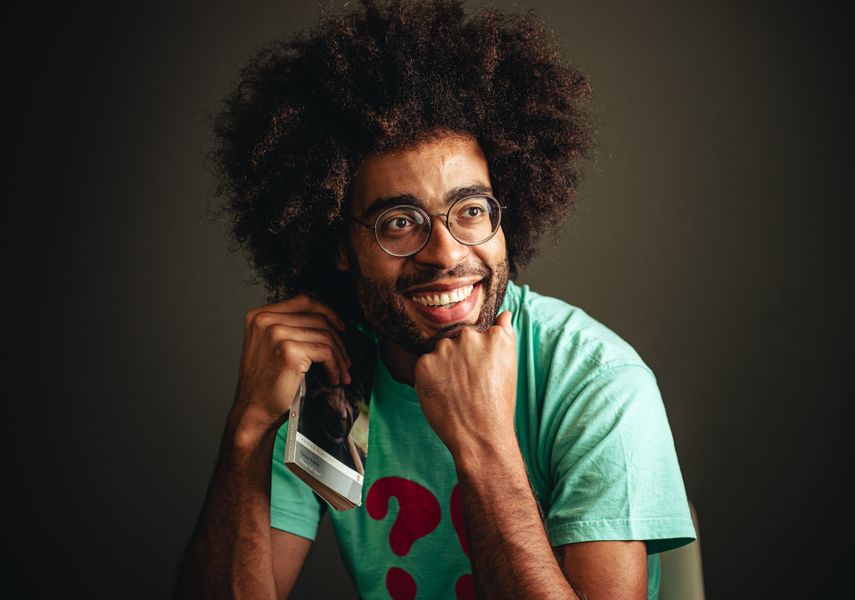
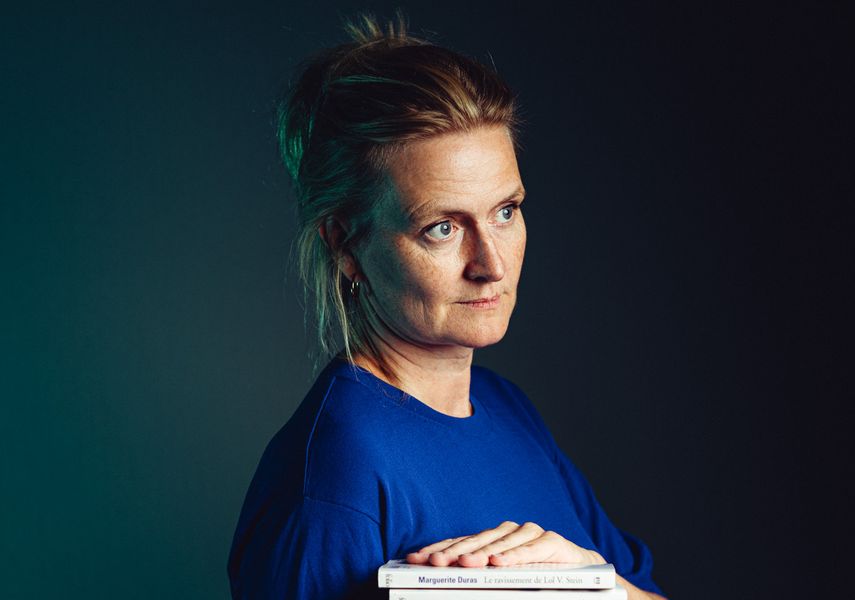
On Tuesday 24 February, Melissa Giardina, Raf Njotea and Marijke Pinoy will join presenter Ruth Joos. Together, they will discuss three books, carefully selected by our editorial team.
In recent years, there has been an undeniable resurgence of positive interest in witches and witchcraft. Armed with historical knowledge and advancing insights, we are gaining a better understanding of who these people were – mostly, but not exclusively, women – who were accused of witchcraft, and what injustices were done to them.
Olga Ravn – 'Child of Wax'
Danish author Olga Ravn engages in the witch discourse in a fascinating way. In 'Child of Wax', she uses enchanting language to show that witches were neither evil hags nor innocent heroines. From the perspective of a wax voodoo doll... The kind of thing that only the author of the working-class novel in space 'The Staff' could pull off.
"Olga Ravn is a virtuoso and an alchemist. No one else does what she does." - Samantha Harvey
Suzanne Grotenhuis - 'De lijst van mijn leven' (The list of my life)
That image of Molly Weasley in the Harry Potter series, letting her pots and pans wash themselves and a spoon stir the soup independently while she chops onions. Is that witchcraft or just a slight exaggeration of the feeling Suzanne Grotenhuis describes in 'The list of my life'?
Grotenhuis wrote her second book literally in between everything else, because she had no other choice: her child had to go to swimming lessons, the laundry had to be done, and there had to be food on the table. Grotenhuis wrote her second book literally in between everything else, because she had no other choice: her child had to go to swimming lessons, the laundry had to be ironed, bread had to be put on the table, and so on and so forth. What started as an Excel document for her partner became a painfully recognisable and necessary book, rightly and appropriately subtitled In Search of Love and Equality.
Kamel Daoud - 'Houris'
The last book we discuss in this shortest month is “Houris” by French-Algerian writer Kamel Daoud, winner of the 2024 Prix Goncourt. Daoud introduces a female protagonist who inspires both awe and empathy in the reader. Aube's vocal cords were cut during the civil war. Amidst a whole generation that cannot stop talking about a war that took place forty years ago, Aube is only able to tell her story in her mind to the unborn daughter growing inside her. NRC called the book an “unforgettable ode to every woman who, then and now and anywhere in the world, is silenced”. It is not a light story, but Daoud's pen dances off the pages and writes Aube's name loud and clear wherever her voice cannot be heard.
This time, the advance reader is Uschi Cop, whose debut novel 'Dodeman' will be published in March. Genre-transcending punk band Kaat Van Stralen provide a musical interlude.